
In today’s interconnected world, pupil neighborhoods play an essential role in shaping scholastic and personal experiences.

These areas are not just collections of individuals however are vibrant ecosystems that foster development, learning, and cooperation among pupils. They vary extensively in type and feature, from campus-based teams to international online discussion forums, each offering special opportunities for involvement and advancement.
Whether you are tipping onto a college university for the first time or participating in online discovering settings, understanding the framework and advantages of trainee areas can considerably enhance your instructional journey. This post looks into the essence of trainee communities, discovering just how they operate, the advantages they offer, and the methods which they can be leveraged for individual and academic success.
Comprehending Trainee Neighborhoods
Pupil areas are fundamental to the scholastic experience, acting as both social and educational support group. At their core, these communities are groups created naturally by pupils that share typical interests, objectives, or disciplines. They can be casual, such as study hall, or formal, like trainee unions and clubs.
These communities are defined by a shared identification and the collective quest of knowledge, abilities, and experiences. They function as systems for trainees to connect, collaborate, and contribute to each various other’s development, extending beyond scholastic boundaries to influence personal advancement and neighborhood involvement.

Essentially, trainee communities are microcosms of larger societal structures, where leadership skills are refined, ideas are exchanged, and long-lasting relationships are developed. The interactions within these communities reflect a diverse mix of social, intellectual, and social characteristics.
- Networking Opportunities: Trainee communities give a network of peers and mentors that can provide support and guidance.
- Ability Development: Engaging in area activities assists pupils create important abilities such as communication, leadership, and synergy.
- Resource Accessibility: These neighborhoods typically supply access to scholastic sources, including research study materials and professional advice.
- Social Involvement: They offer a platform for social communication, alleviating the transition into brand-new scholastic settings and helping to battle isolation.
Through these different features, pupil neighborhoods come to be important to the holistic development of students, laying a structure for future specialist and personal success.
The Advantages of Engaging in Trainee Areas
The benefits of taking part in trainee communities are diverse, affecting both academic and individual rounds.
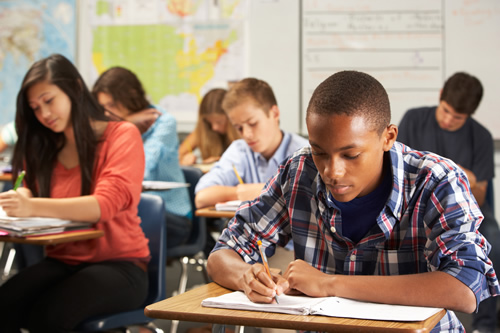
On a scholastic degree, these areas encourage collaborative discovering, allowing students to benefit from diverse point of views and experience. Sharing understanding and sources within a community can bring about extra reliable learning outcomes and improved scholastic efficiency.
In addition, pupil neighborhoods use a platform for personal growth and self-discovery. By engaging with peers from different histories and techniques, pupils gain a broader worldview, enhancing their cultural competence and empathy. This direct exposure to varied viewpoints is indispensable in developing critical reasoning and analytic abilities.
Furthermore, energetic involvement in area tasks can enhance students’ self-confidence and self-confidence. Handling leadership duties or joining discussions and events fosters a sense of achievement and belonging, which is crucial for overall wellness and inspiration.
Kinds Of Pupil Communities
Trainee communities been available in various types, each accommodating different rate of interests and objectives. These can be extensively categorized right into scholastic, cultural, entertainment, and specialist communities, to name a few. Each kind provides unique systems and possibilities for pupil interaction.
- Academic Communities: These are commonly focused around particular fields or academic rate of interests. Examples consist of study hall, honors societies, and department clubs.
- Social Neighborhoods: These teams focus on promoting cultural awareness and variety, usually organizing events and activities to celebrate various traditions.
- Recreational Neighborhoods: These consist of sporting activities groups, recreational clubs, and question and answer hobby-based teams that give a break from scholastic roughness and advertise physical and psychological health and wellness.
- Specialist Areas: These are focused on career development, supplying networking opportunities, workshops, and mentorship programs to prepare pupils for the specialist globe.
By identifying and involving with the appropriate communities, pupils can customize their college experiences to line up with their interests and occupation aspirations, paving the way for a meeting academic trip.
Developing a Prospering Pupil Area
Developing and preserving a flourishing pupil neighborhood calls for initiative and partnership from both students and educational institutions. It begins with cultivating an inclusive atmosphere where all pupils feel welcomed and valued no matter their backgrounds.
Establishments can sustain this by supplying resources and centers that urge interaction and involvement. This includes developing physical areas like trainee unions and on the internet platforms that facilitate communication and collaboration. In addition, arranging events, workshops, and seminars can better improve engagement, providing trainees with possibilities to link and learn from each various other.
Management and Trainee Involvement
Effective leadership is vital in nurturing an effective pupil community. Leadership roles within these areas use pupils a possibility to develop and show their organizational and interpersonal abilities. Pupils who think these roles add substantially to setting the tone and direction of their areas, influencing their peers favorably.
Motivating leadership and active engagement among students not only enhances the neighborhood but additionally encourages people, preparing them for future obstacles. By fostering a society of collaboration and assistance, trainee areas can thrive, leaving an enduring effect on their participants I would like a brief explanation of The benefits of breastfeeding: Including lactation reflex; describing the mechanism of milk ejection, and shifting hormonal balance’s. (At least 125 words) and the academic atmosphere as a whole.
